Weather Radar Tech, Calibration & Electromagnetism
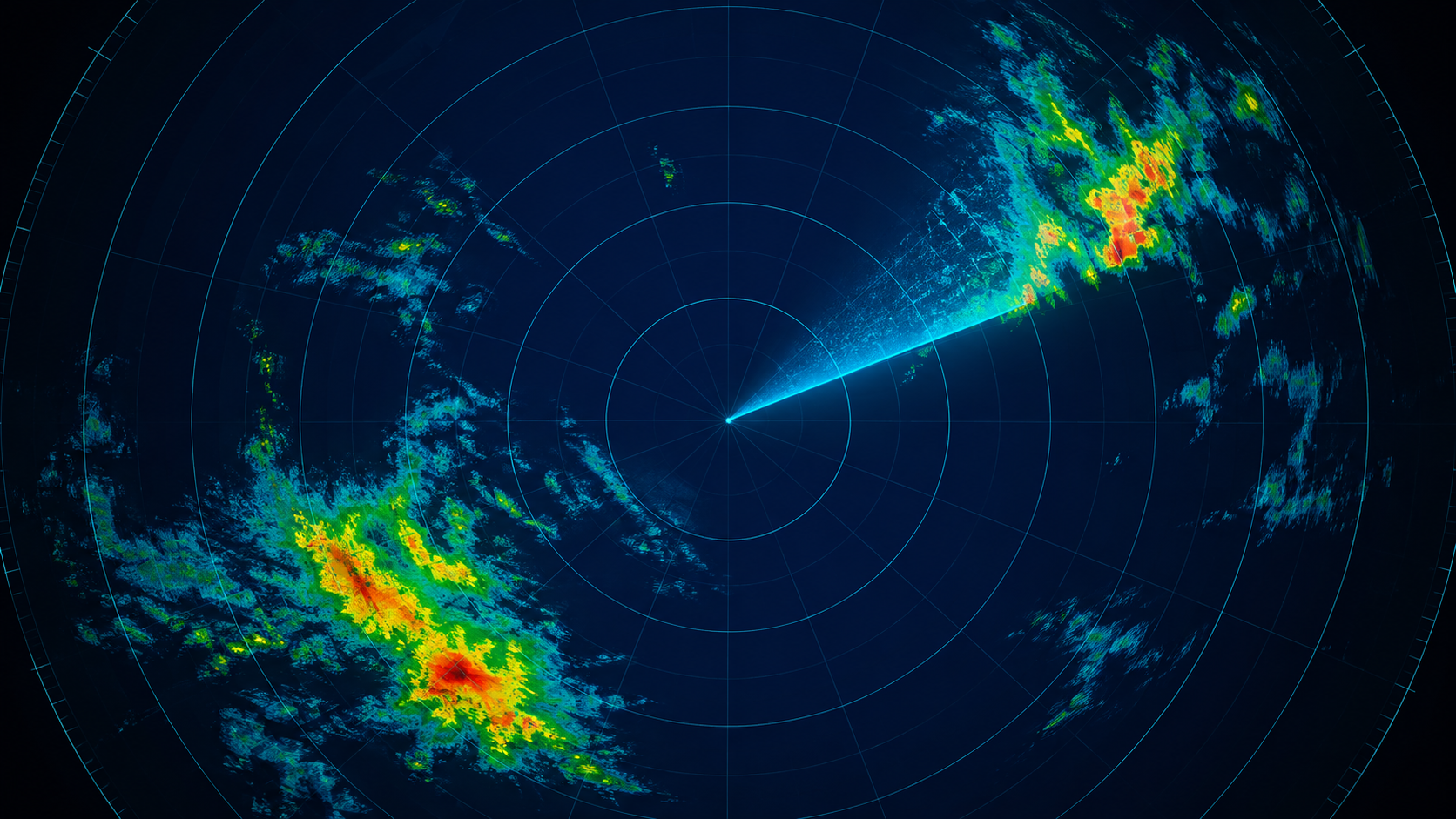
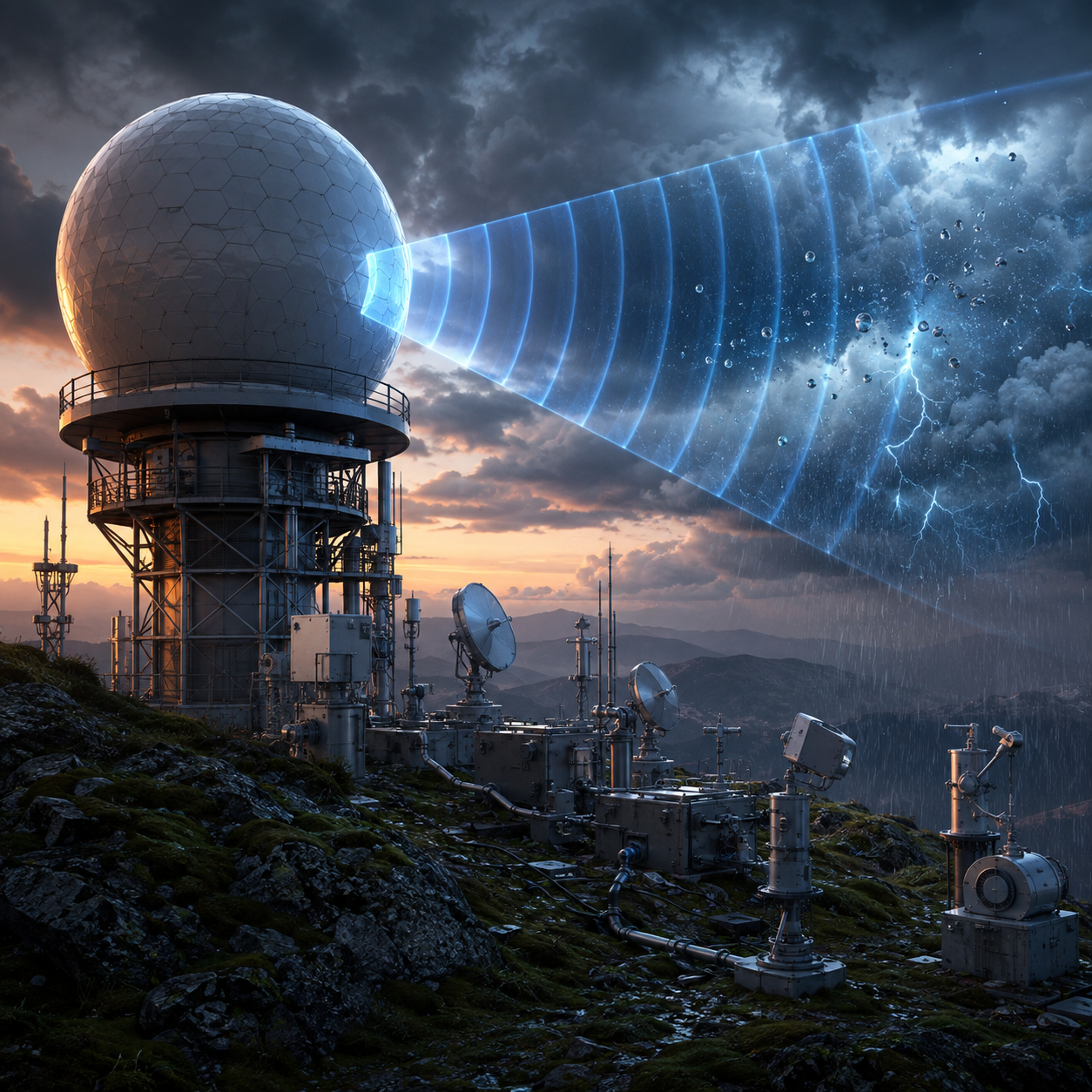
Radar hardware, wave propagation and scattering, and the calibration practice that makes measurements comparable between sites.
Notices
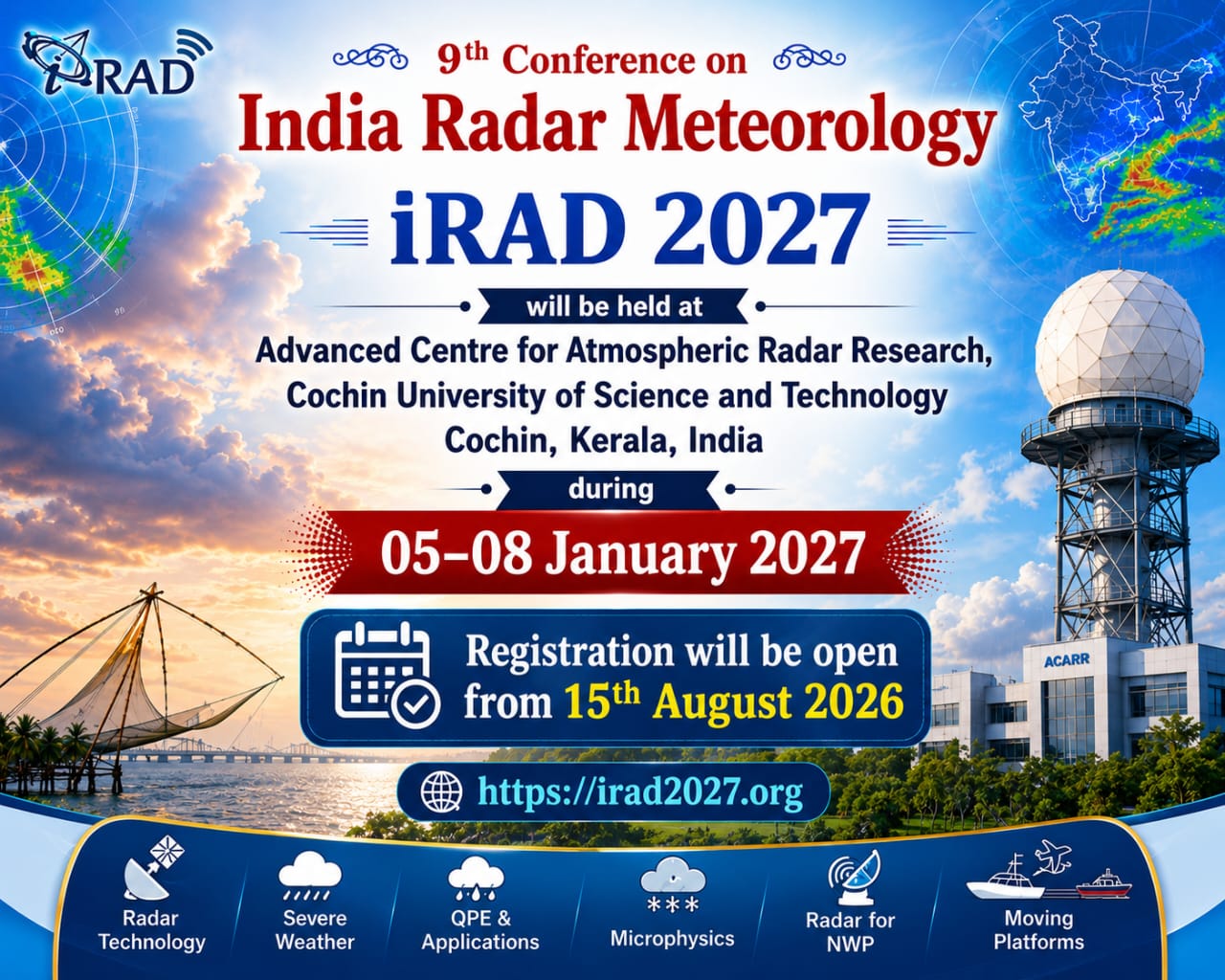
All9th Conference on India Radar Meteorology
Unravelling Tropical Atmosphere and Extreme Weather Events: Integrated Radar Profiling and Future Horizons. Celebrating 10 years of the 205 MHz ST Radar (2017-2027).
Registration opens 15 August 2026
Two phases: hands-on technical training, followed by the scientific conference.
Phase I · Training
A hands-on workshop preceding the main scientific sessions.
50
Places
Phase II · Conference
The main scientific sessions of iRAD 2027, covering twelve thrust areas in radar meteorology.
5–8
January 2027
12
Thrust Areas
Topics spanning observation, prediction and application of radar meteorology.
Radar hardware, wave propagation and scattering, and the calibration practice that makes measurements comparable between sites.

Running radar networks at national scale: quality control, clutter suppression, compositing and the processing chains behind operational products.
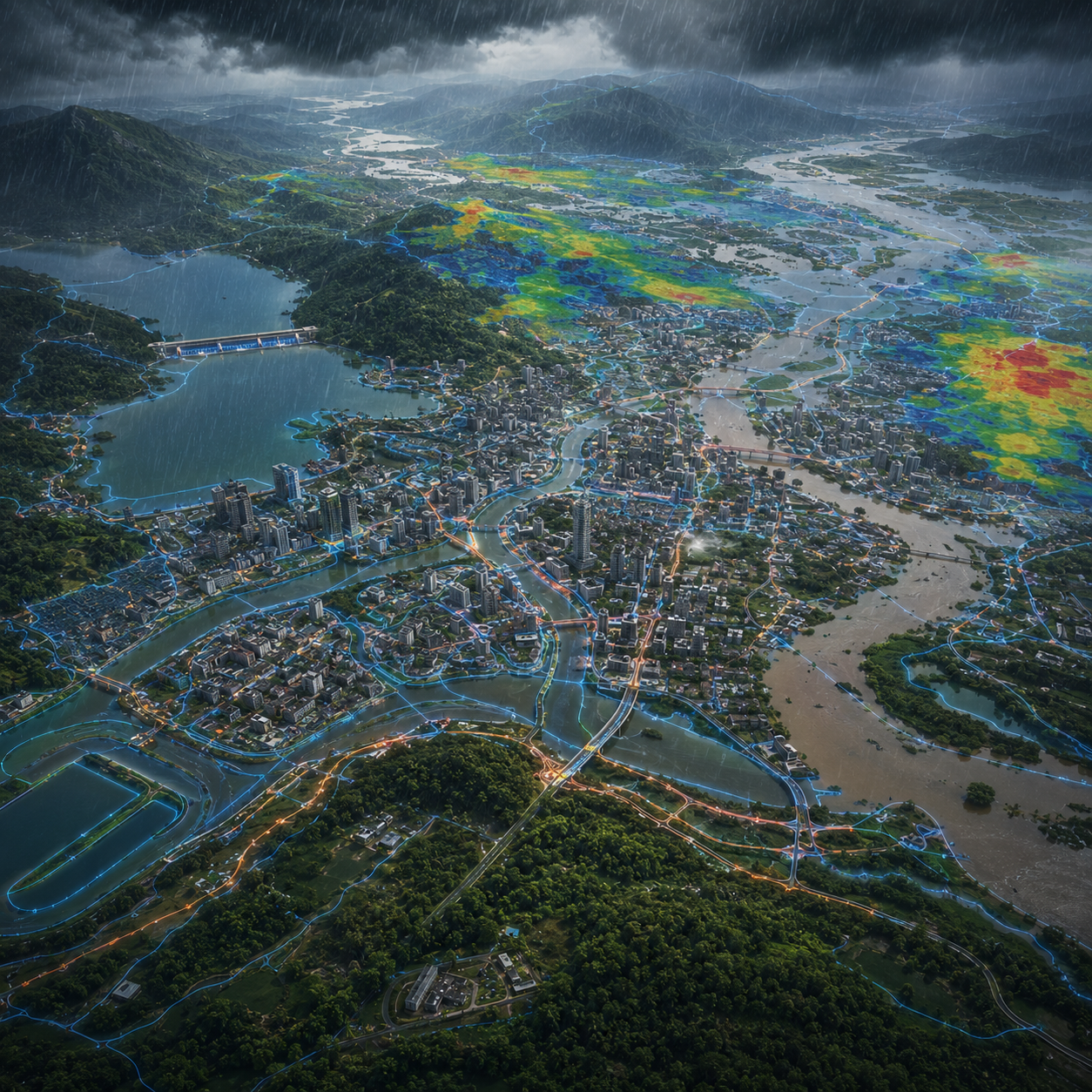
Putting radar output to work in flood forecasting, catchment hydrology, urban drainage design and disaster response.

Monsoon dynamics and extreme events over the tropics, where convection is deep, fast and still poorly constrained by observation.
Turning reflectivity into rainfall: retrieval algorithms, gauge adjustment, and the error structure of radar rainfall estimates.
Drop size distributions, hydrometeor classification and the microphysical insight that dual-polarization variables make accessible.
Squall lines, hail, tornadic signatures and lightning, and what radar reveals about the charge structure of convective storms.
Ingesting radial velocity and reflectivity into numerical models, and the observation operators and error covariances that assimilation requires.
Precipitation and cloud radars flown on aircraft and satellites, and how their sampling complements ground-based networks.
Ka- and W-band observation of cloud structure, boundary-layer processes and the thin hydrometeors longer wavelengths miss.
Continuous wind and turbulence profiling through the troposphere and above, including the 205 MHz ST Radar celebrating a decade of operation.
Machine learning for nowcasting, quality control, echo classification and the emerging use of learned models alongside physical retrievals.
through 8 January 2027
Select the tier matching your status and location.
Delegate
₹7000 INR
Early bird until 31 Oct 2026
Standard ₹8000
Opens 15 Aug 2026
Student
₹4000 INR
Early bird until 31 Oct 2026
Standard ₹5000
Opens 15 Aug 2026
Foreign Delegate
$150 USD
Opens 15 Aug 2026
Foreign Student
$100 USD
Opens 15 Aug 2026
Foreign delegates are billed in USD. Speaker, sponsor and organiser registrations are arranged directly by the organising committee.
Organized By
 ACARR
Advanced Centre for Atmospheric Radar Research
ACARR
Advanced Centre for Atmospheric Radar Research
 CUSAT
Cochin University of Science and Technology
CUSAT
Cochin University of Science and Technology